Introduction
Cattle gestation is a fundamental aspect of livestock management for both beef and dairy production. It plays a crucial role in the sustainability and profitability of cattle farming. In this article, we will explore the intricacies of cattle gestation, including its duration, stages, and the importance of proper management.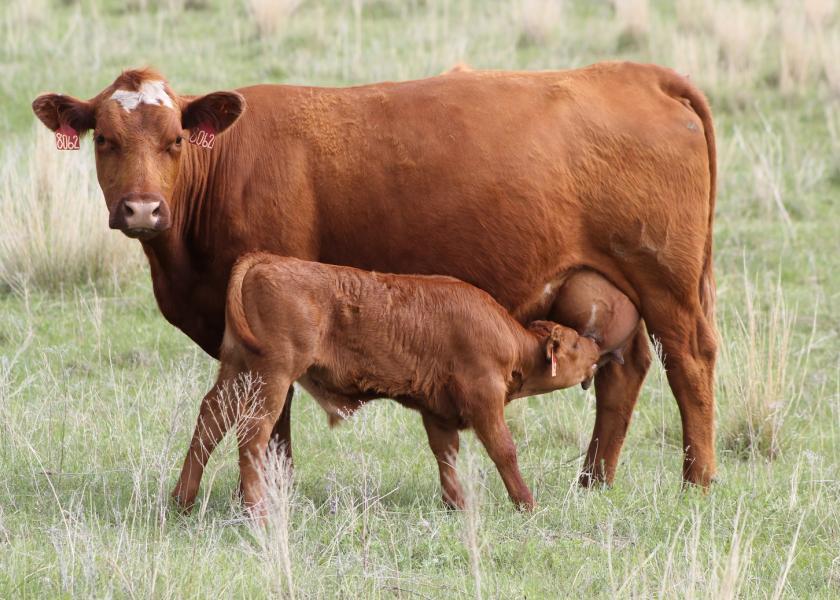
Cattle Gestation Basics
Cattle gestation refers to the period of pregnancy in cows, commonly known as the gestation period. This period encompasses the time between conception and birth, during which the developing fetus undergoes significant growth and development.
Duration of Cattle Gestation
The duration of cattle gestation is an important factor to consider when managing a cattle herd. On average, the gestation period for cows lasts around 283 days, or roughly 9 months. However, there can be some variation among different cattle breeds, with some cows giving birth after as few as 270 days, while others may have a gestation period of up to 295 days.Stages of Cattle Gestation
Cattle gestation can be divided into several distinct stages, each marked by different developments in the fetus and specific considerations for cattle management: 1. Early Gestation (Days 1-45): During this period, the fertilized egg implants itself into the cow's uterus. It is essential to ensure proper nutrition during this time, as it sets the stage for the calf's development.
2. Mid-Gestation (Days 45-150): This is a period of rapid fetal growth. Proper nutrition, vaccinations, and overall herd health management are critical to ensure the calf's development is on track. 3. Late Gestation (Days 150-283): In this stage, the calf undergoes its most significant growth, and the cow's energy requirements increase. Careful monitoring of the pregnant cows is essential, with specific attention to nutrition and comfort.