Skip to main content
Enhancing Cattle Breeding with Insemination Straws
Introduction
Cattle breeding is a cornerstone of the agricultural industry, with genetic improvement playing a pivotal role in the quality and productivity of livestock. Insemination straws, often known as semen straws, are revolutionizing cattle breeding by offering a reliable and efficient method for artificial insemination. In this article, we explore the essential components of insemination straws, their advantages, and how they are transforming the cattle breeding landscape.
Understanding Insemination Straws
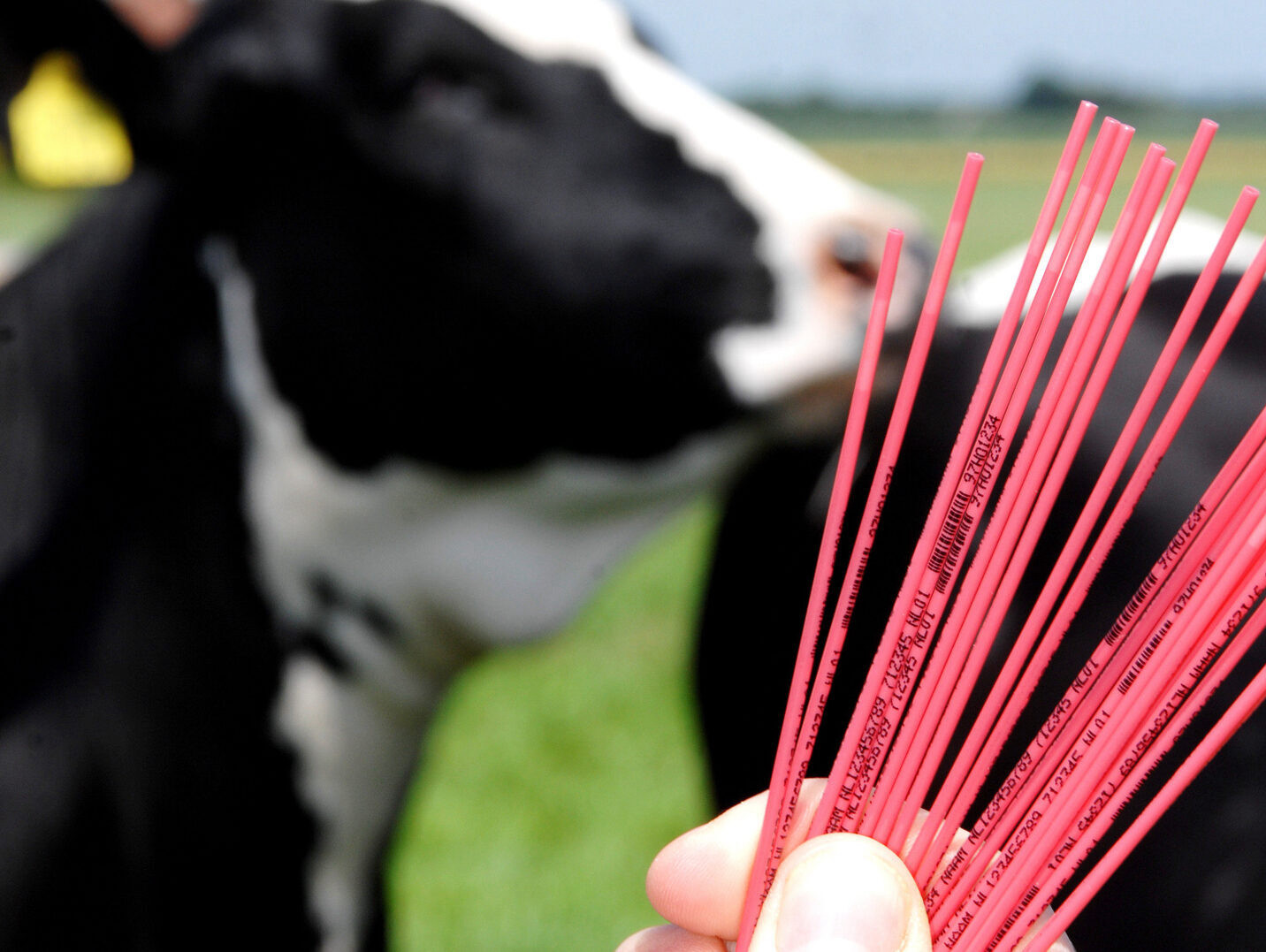
Insemination straws are small, sealed tubes containing frozen or chilled cattle semen. They are designed to ensure the safe storage and precise delivery of semen during artificial insemination. Each straw typically holds a single dose of semen, making them a convenient and cost-effective solution for controlled breeding.
Key Components of Insemination Straws
1. **Semen**: The core element of an insemination straw is the high-quality cattle semen collected from superior sires. This semen is processed, extended, and eventually frozen or chilled to ensure its viability.
2. **Straw**: Insemination straws are typically made of plastic, allowing for easy storage and transportation. They come in varying lengths, often color-coded for quick identification. The straw's design minimizes the risk of contamination and maintains the semen's integrity.
Advantages of Insemination Straws
1. **Improved Genetic Selection**: Insemination straws allow farmers to access semen from top-tier sires, regardless of geographic location. This opens up opportunities for genetic improvement and enhances the overall quality of the herd.
2. **Reduced Disease Transmission**: Insemination straws can help mitigate the risk of disease transmission, which is more common in natural breeding methods. This is particularly critical in regions where specific cattle diseases are a concern.
3. **Efficiency and Precision**: The use of insemination straws ensures precise dosing of semen, increasing the chances of successful artificial insemination. This, in turn, minimizes the likelihood of wasted semen and reduces costs associated with repeated breeding attempts.
4. **Enhanced Record-Keeping**: Insemination straws offer a streamlined approach to record-keeping. Farmers can easily track breeding cycles and pedigrees, helping to make informed decisions about future breeding.
5. **Flexibility**: Insemination straws provide farmers with greater flexibility in terms of breeding timing. They can inseminate cattle at the most optimal time, regardless of factors such as the availability of a particular bull or cow.
The Insemination Process
Using insemination straws involves a carefully coordinated process. It typically includes the following steps:
1. **Thawing Semen**: If using frozen semen, the straws need to be thawed according to specific protocols to maintain sperm viability.
2. **Insemination**: The straw is inserted into the cow's reproductive tract, releasing the semen at the appropriate location. This step requires skill and precision to ensure successful insemination.
3. **Monitoring**: Post-insemination, it's crucial to monitor the cow's reproductive cycle to confirm pregnancy. Regular pregnancy checks can help identify any issues early on.
Conclusion
Insemination straws are at the forefront of modern cattle breeding, offering a range of benefits to farmers, including improved genetic selection, disease risk reduction, efficiency, and flexibility. With advancements in technology and the ever-growing demand for high-quality cattle, these tiny tubes of semen are playing a pivotal role in the future of cattle farming. By providing access to superior genetics and precise breeding, insemination straws are helping farmers enhance their herds and, ultimately, their livelihoods.